




















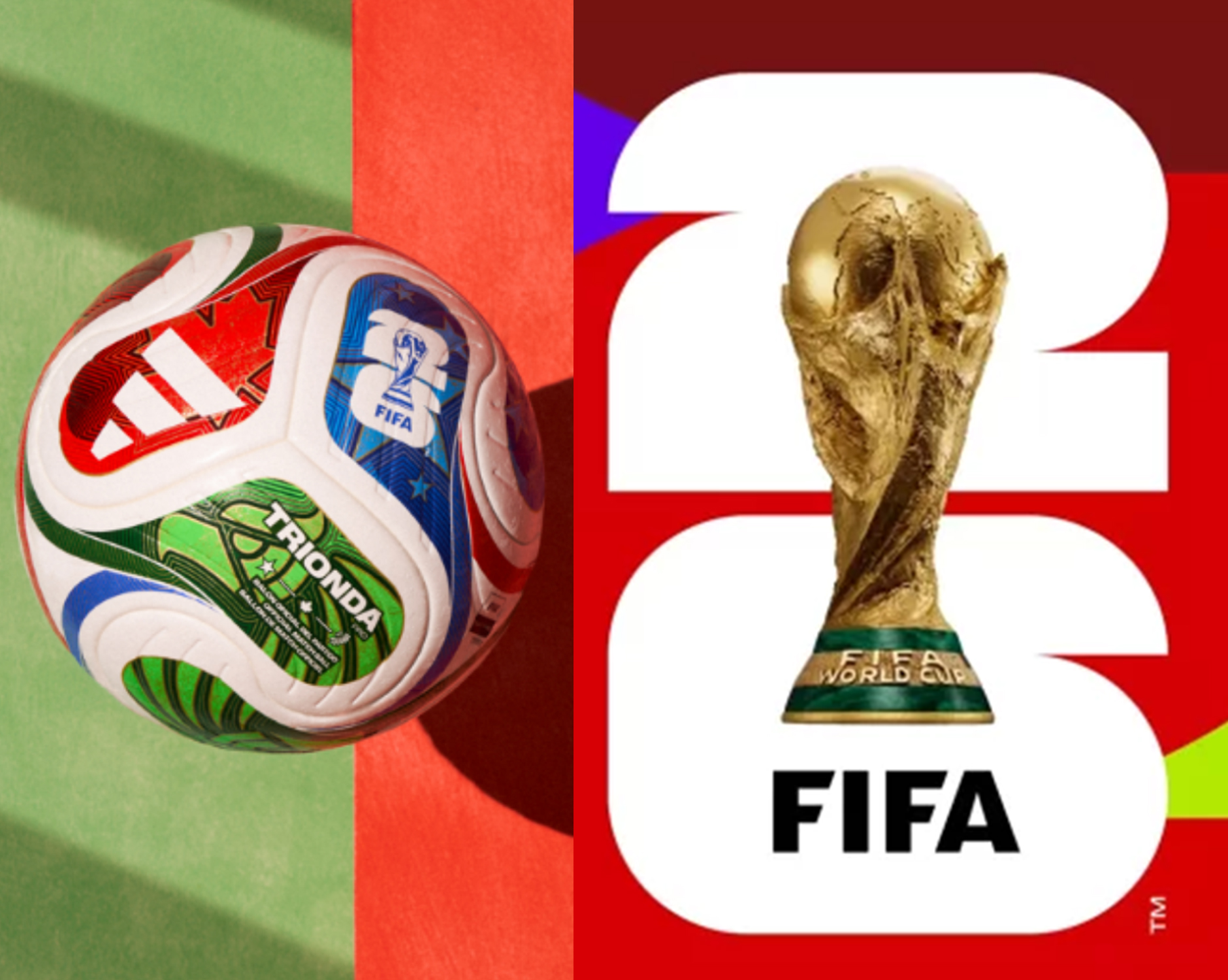
Tomorrow the World Cup starts, but it won’t feel like the tournaments we grew up on. No slow build. No eight neat groups. No host nation carrying the weight. FIFA tore up the old blueprint and handed us something new. More teams, more countries, more flights, more problems.
For 94 years, the World Cup was simple to explain: 32 nations, one country, one month. You knew where to watch it, how it worked, and who could afford to go. 2026 breaks all of that. Forty-eight teams now. Three hosts sharing the stage: the United States, Mexico, and Canada. One hundred and four matches stretched across time zones, climates, and borders. A team could play in the heat of Mexico on Tuesday and the cold of Canada by Sunday. Players aren’t just training for opponents anymore. They’re training for airports.
The group stage changed too. Twelve groups instead of eight. That one change kills the old luxury of a slow start. In past World Cups, a team could lose the first game and still dream. In 2026, there’s no room for that. One bad afternoon, and your story is over. FIFA wanted more drama. They’ve built a tournament where every match feels like knockout football from day one.
But the biggest difference isn’t on the pitch. It’s at the gate. Entry has become the first opponent. Players are discovering that getting into the United States is harder than getting past a defence. Shoes off, bags open, frisked next to their plane. Millionaires who’ve played Champions League finals, standing on hot concrete while their luggage was searched. A reminder that even fame doesn’t skip the line anymore.
Somali referee Omar Artan learned the same lesson in Miami. Valid visa, valid passport, FIFA’s backing. Turned away over “vetting concerns.” A World Cup dream ended at immigration. Switzerland’s striker Breel Embolo boarded the team flight to San Diego, then watched it take off without him. His authorisation went “under review” at the last minute. The Swiss FA posted a photo of his empty seat. That empty seat tells you everything about 2026.
For fans, the hurdle is higher. FIFA created “FIFA PASS” to speed up visa interviews, but it doesn’t guarantee approval. Travel bans cover 39 countries. Iran and Haiti face full bans. Ivory Coast and Senegal have partial bans. Thousands bought tickets, booked flights, packed bags. Now they will be watching from home because a document didn’t come through. Ghanaian fans heard it directly from President Mahama: stick to the visa rules or risk losing Ghana’s five-year U.S. visa privilege. The road to glory now runs through a consular office, not a stadium tunnel.
Security has changed too. In Mexico, police patrol Estadio Monterrey with four-legged robot dogs that climb stairs and scan buildings. In the U.S., TSA is running a “World Cup Security Playbook.” No Drone Zones over every stadium. Homeland Security is treating this like a summit, not a tournament. VAR can review a handball. It can’t review a denied visa.
That’s what makes 2026 different. The World Cup used to be about football first, logistics second. This year, logistics is the story. Coaches map flights like they used to map set pieces. Recovery is a tactical department. Jet lag is a tactical problem. And the first whistle every team hears isn’t on the pitch. It’s at an airport gate, at an immigration desk, sometimes right on the tarmac.
FIFA wanted the world to come together. But “together” in 2026 means “after inspection.” More football, yes. More chaos, definitely. The game is bigger, the stage is wider, and the margins are thinner.
Tomorrow the ball rolls. Goals will be scored. History will be made. But the story of this World Cup started weeks ago in visa queues and airport terminals. Because this time, making history isn’t just about who’s best with the ball. It’s about who can get through the door.