













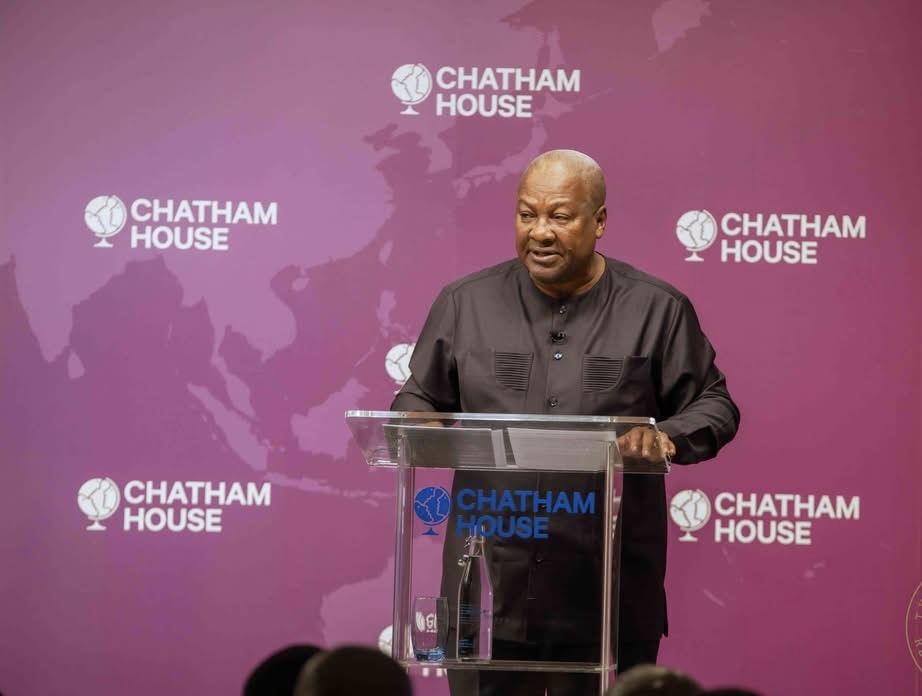
President John Dramani Mahama has indicated that the recently passed Human Sexual Rights and Family Values Bill, 2025, popularly known as the anti-LGBTQ+ Bill, still faces several legal and procedural hurdles before it can become law.
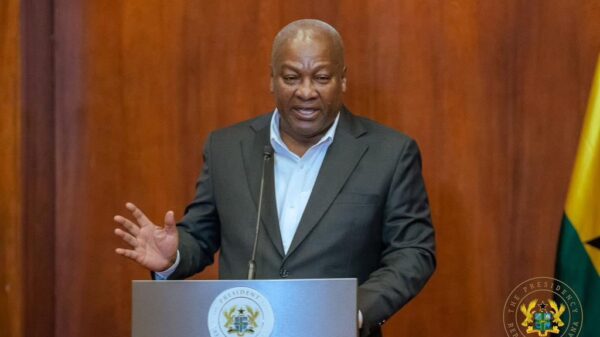
Speaking during a question-and-answer session at Chatham House in London on Monday, June 1, the President said concerns have already emerged regarding the manner in which Parliament passed the controversial legislation, making it premature to assume the bill will automatically receive presidential assent.
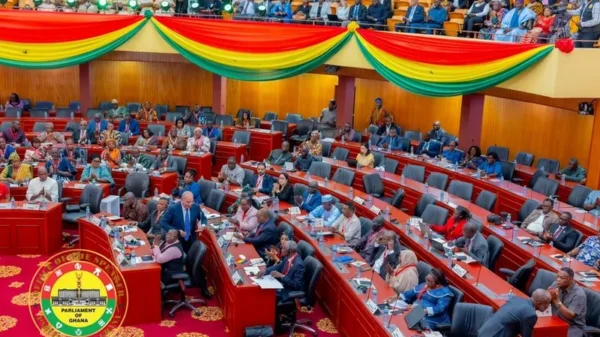
According to President Mahama, questions have been raised about whether Parliament had the required quorum at the time the bill was passed. He also disclosed that reports of procedural lapses during the legislative process have surfaced and are currently being addressed.
“The bill was supposed to have been passed last week, but there have been a few issues raised,” Mahama stated. “One, that there wasn’t a quorum when it was passed. That’s an issue that has come up. And then two, there were some procedural lapses in terms of its passage.”
The President revealed that he had received information that Speaker of Parliament Alban Bagbin was preparing a statement to address concerns surrounding the alleged irregularities in the bill’s passage.
Mahama emphasised that once the bill is formally transmitted to the Presidency, it will undergo a thorough legal review before any decision is made regarding assent.
“It must come for assent, and once the President gets it, you go through it because you are not part of the discussion in Parliament,” he explained. “The legal counsel at the Presidency and the Attorney General would sit on it.”
The President noted that the legislation originated as a private member’s bill rather than a government-sponsored bill, making it necessary for the executive to carefully scrutinise its contents and the process through which it was approved.
“Because it was a private member’s motion, this was not a government bill. We’ll look at it and make sure that everything is in order before the President is advised to assent,” he said.
Mahama further outlined the constitutional options available to the President after receiving the bill. He explained that the President may seek guidance from the Council of State if concerns arise regarding any aspect of the legislation.
“The President has another option. If there are some things that he thinks are a problem, he can refer them to the Council of State for advice,” he stated.
He added that should substantial issues be identified during the review process, the bill could be sent back to Parliament with specific recommendations for reconsideration.
“If there are substantial issues that are raised, the President would return the bill to Parliament, indicating exactly what the issues are,” Mahama explained.
The President therefore cautioned against assumptions that the legislation has completed its journey to becoming law, stressing that several constitutional and legal procedures remain outstanding.
“So there’s still quite a while to go before that bill becomes law,” he concluded.
The Human Sexual Rights and Family Values Bill remains one of Ghana’s most debated pieces of legislation in recent years, attracting strong support from conservative groups while drawing criticism from international human rights organisations and some foreign governments. The latest comments from President Mahama suggest that the bill’s future will largely depend on the outcome of ongoing legal and procedural reviews before it reaches the final stage of presidential consideration.