










Three Countries, Three Stages, One World Cup
For nearly a century, the World Cup began the same way. One host nation. One stadium. One opening ceremony that felt like the whole world was watching from the same room. The flags, the anthems, the nervous kickoff. That was the ritual.
This year, FIFA tore up the ritual.
Today, the 2026 World Cup doesn’t just open once; it opens three times. For the first time in history, three nations will each stage their own opening ceremony, their own anthem, their own moment. Mexico goes first. Then Canada. Then the United States. Three celebrations, three kickoffs, three statements about what this tournament is trying to be.
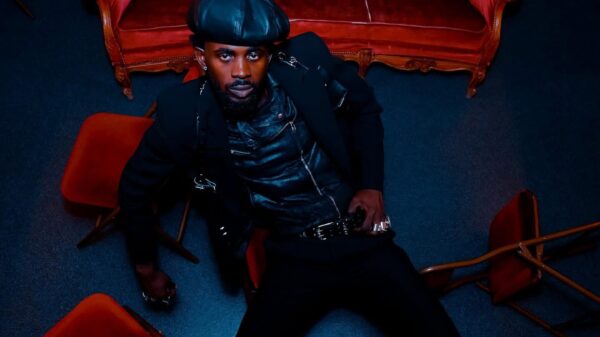
Mexico starts it at the Estadio Azteca, a stadium that has already seen two World Cup finals. The grass there has memory. On Thursday evening, the crowd will rise for Mexico against South Africa. And before the ball rolls, the stage belongs to music. Shakira and J Balvin bring Colombia. Burna Boy and Tyla bring Africa. Alejandro Fernández and Maná bring Mexico itself. It’s a lineup built for a continent that lives on rhythm. FIFA is saying, without words, that this World Cup will sound different.
Less than 24 hours later, Canada takes its turn at BMO Field in Toronto. A smaller stadium, but a historic one for Canadian football. Canada versus Bosnia and Herzegovina, and then a stage full of Canadian voices. Michael Bublé, Alanis Morissette, Alessia Cara, Jessie Reyez. Homegrown names, singing for a home crowd. For a country co-hosting the World Cup for the first time, it’s more than a ceremony. It’s a debut.
And then the United States closes the opening chapter late Thursday night in Inglewood. SoFi Stadium, all glass and light, will host the United States against Paraguay. The show matches the venue. Katy Perry, Future, LISA from BLACKPINK, Anitta, Rema, Tyla again. Pop, hip-hop, Afrobeats, K-pop, Brazilian funk. It’s not just an opening ceremony. It’s a playlist for the next month of football.
That’s the point of three ceremonies. FIFA isn’t just expanding the number of teams and matches this year. They’re expanding the idea of what the World Cup looks like. One host used to mean one culture, one broadcast, one story. Three hosts mean three stories running at once. Three different skies, three different crowds, three different sounds. The tournament will still meet in the middle when the knockouts start. But the opening is deliberately scattered.
It feels messy if you’re used to the old way. It feels right if you accept what 2026 is: bigger, wider, less tidy. Forty-eight teams instead of thirty-two. One hundred and four games instead of sixty-four. Matches in three countries, three currencies, three sets of entry rules. The World Cup used to be a single room. Now it’s a house with three front doors.
And maybe that’s fitting. Football isn’t one thing anymore. A kid in Accra watches Burna Boy on the same night a kid in Vancouver watches Michael Bublé. A fan in Lagos streams Rema, while another in São Paulo waits for Anitta. The music changes, but the anticipation is the same. The ceremonies will look different, but the feeling won’t.
Mexico will sing first. Canada will sing next. The United States will have the last word before the tournament really begins. By the time the group stage settles, we’ll stop counting ceremonies and start counting goals. But for this opening weekend, the message is clear.
The World Cup isn’t one stage anymore. It’s three. And for the first time, we all get to walk through different doors into the same tournament.