

















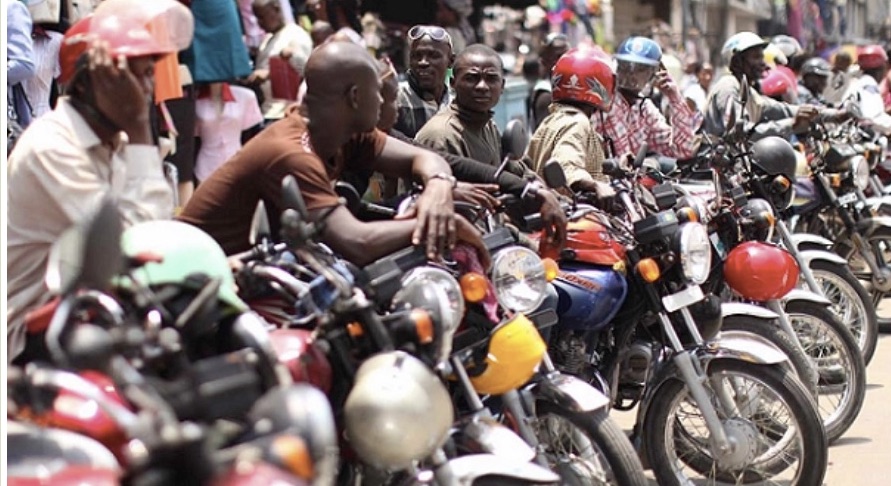
In a bold move to enhance road safety and accountability, the government of Ghana is introducing stricter regulations for commercial motorcycles and tricycles commonly known as okada and pragyia. These new rules aim to address safety concerns and improve the overall management of the fast-growing sector.
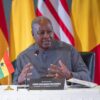
Joseph Bukari Nikpe, Ghana’s Minister of Transport, announced the changes during a national stakeholder consultation held in Accra on April 7, 2025. The consultation marked the beginning of a nationwide push to overhaul the current legislative framework and bring the okada industry under stricter regulation.
Under the proposed amendments to the Road Traffic Regulations, 2012 (LI 2180), riders will face new requirements:
• Riders must be at least 25 years old.
• Only those with a valid national ID and a commercial rider’s license issued by the DVLA will be eligible.
• A proficiency test, including oral, theory, and eye exams, will be mandatory for all operators.
• Riders must undergo training and be assigned a unique yellow license plate.
• The use of a certified protective helmet, complete with a unique number, will be compulsory, with helmets also provided for passengers.
• Riders must strictly adhere to traffic laws and speed limits.
The law also imposes severe penalties. Riders operating outside of licensed unions or companies could face fines, imprisonment, or both.While motorcycles and tricycles have become an essential part of Ghana’s transportation network, particularly in areas with limited access to conventional vehicles, their rise in popularity has been accompanied by increasing road traffic crashes and fatalities.
“Our top priority is ensuring the safety and well-being of both riders and passengers,” emphasized Minister Nikpe. “The growing concerns over road traffic accidents, disregard for traffic laws, and the need for a more structured approach have prompted these changes.” The Minister emphasized.
The Ministry of Transport is collaborating with key stakeholders, including the Ghana Police MTTD, the GPRTU, okada rider associations, civil society groups, and other transport operators, to finalize and implement the new regulatory framework.
With these new measures, the government hopes to bring a more organized, safer, and accountable structure to the booming okada and pragyia sector, addressing long-standing safety issues while ensuring that the sector continues to thrive