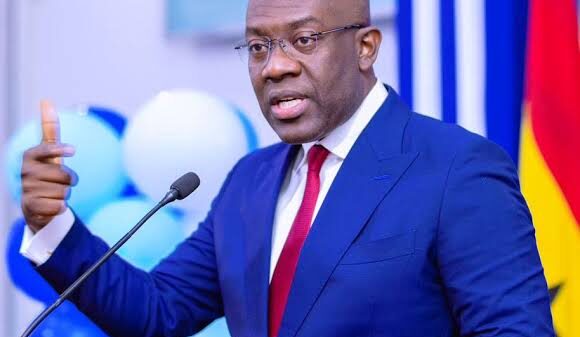














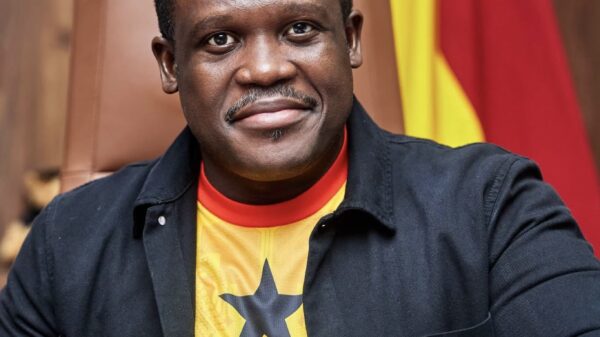



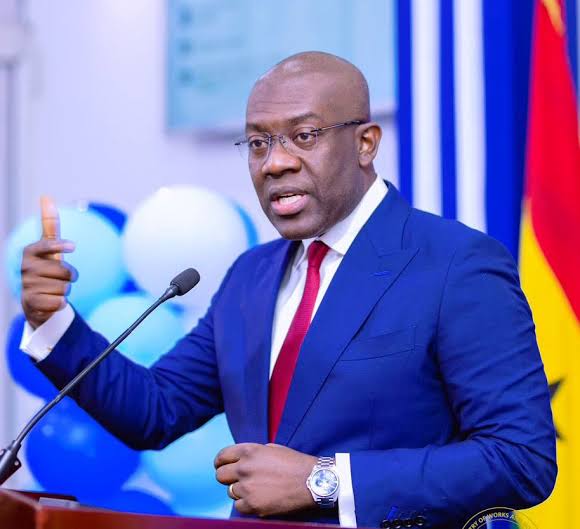
Member of Parliament for Ofoase-Ayirebi and ranking member of Parliament’s Economy and Development Committee, Hon Kojo Oppong Nkrumah, has criticised the government’s proposed New Economy agenda, describing it as a “scam” and accusing the administration of repackaging old policies under new names without introducing meaningful changes.
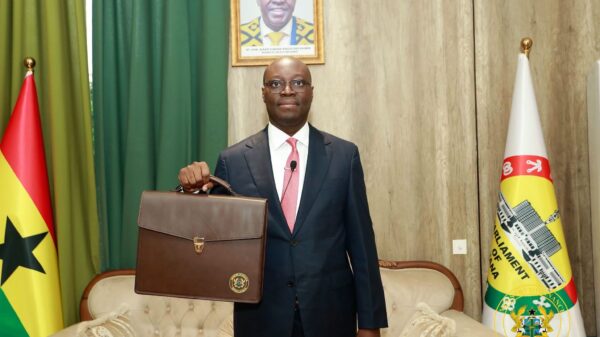
Speaking at a press conference ahead of the Finance Minister’s presentation of the 2027 Budget, the Ranking Member of Parliament’s Economy and Development Committee said the government was likely to use the budget to rebrand existing programmes while presenting economic figures that do not reflect the financial struggles of ordinary Ghanaians.
He argued that the New Economy agenda offers little difference from the government’s previous initiatives, citing the 24-hour economy programme as an example of a policy being presented under a new identity.
He also compared it to the Gold Purchase Programme, which has been rebranded as the Ghana Accelerated National Reserve Accumulation Policy (GHANRAP).
“It’s a scam. It is the old failed promises which have been repackaged with a new branding,” Oppong Nkrumah said.
The MP also took issue with the government’s reported decline in inflation to 5.5%, as well as its projection to bring the rate down to 3%.
He argued that the reduction was largely driven by the Bank of Ghana’s tight monetary policy rather than increased production or improved economic conditions for households and businesses.
Referring to the Bank of Ghana’s 2025 accounts, he claimed that the central bank had locked away a record GH¢93 billion to manage demand and contain inflation.
However, he maintained that the approach had come at a cost to businesses and employment, as tight monetary conditions continued to put pressure on economic activity.
Hon Oppong Nkrumah questioned why the government should celebrate falling inflation when many Ghanaians were still struggling financially and had yet to feel the impact of the reported economic improvements.
He said the figures the government presents must be measured against the everyday experiences of citizens, particularly households and businesses still dealing with financial difficulties.