






















Over 6,000 telephone numbers linked to suspected fraudulent activity have been identified by Ghanaian scam verification and reporting platform TrustGH.
In a statement issued on Monday, August 31, TrustGH said the numbers were flagged through community reports and open-source intelligence (OSINT) investigations conducted by its team of certified cybersecurity professionals.
According to TrustGH, the findings highlight Ghana’s evolving digital fraud landscape, with scammers increasingly using social media platforms, messaging applications, online business directories, telecommunications channels and fraudulent websites to target individuals and businesses.
TrustGH said nearly half of all scam numbers reported to its database have been linked to TikTok, making the social media platform the largest identified source of reported scam activity.
“Approximately 50% of reported scam numbers are linked to TikTok, making it the largest identified source of reported scam activity within the platform’s database,” the statement said.
SMS and WhatsApp also accounted for a significant number of reported cases, while other suspicious numbers and activities were traced to Facebook, Google Business Profiles, telephone calls and fake websites.
TrustGH noted that many of the scams identified rely heavily on social engineering rather than sophisticated technical methods.
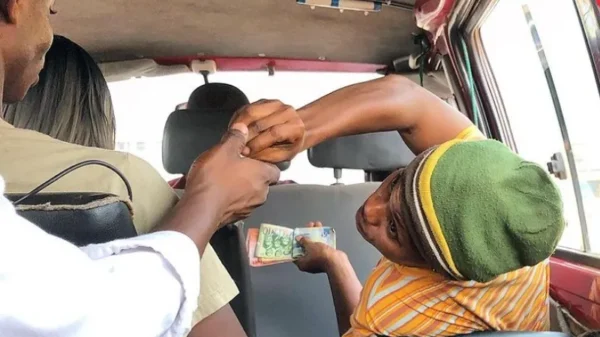
Scammers often impersonate trusted individuals or organisations, including bank officials, government representatives, company executives, police officers, financial agents, recruitment officers and legitimate business owners, to gain the confidence of their victims.
Once trust is established, victims may be pressured into sending money or disclosing sensitive information, including one-time passwords (OTPs) and Mobile Money credentials.
“These tactics can lead to financial loss or account compromise without the attacker necessarily gaining direct technical access to the victim’s device,” TrustGH warned.
The platform’s findings underline growing concerns about online fraud in Ghana, as scammers continue to exploit popular digital platforms and trusted identities to deceive unsuspecting users.