



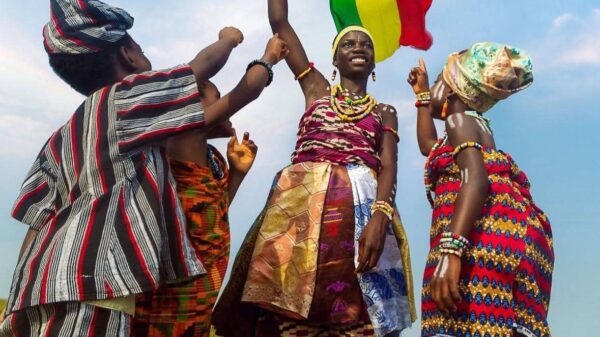











For the community of Sokpoe in Ghana’s South Tongu District, that story flows as powerfully as the Volta River that hugs their land. It is a story of endurance, freedom, and cultural pride one that comes alive each year during Easter celebration; specifically in the second week of April with electrifying celebration of the Torstorgbe Zã Festival, which, in the Ewe language, means “Crossing River Festival.”
This year, the 39th edition of the Torstorgbe Zã Festival was not just another event on the calendar it was a bold tribute to the heroic journey of the Ewe ancestors, a colorful celebration of identity, and a powerful reminder of the importance of unity in diversity.
The roots of the festival trace back to a time when the Ewe people lived under the harsh rule of King Agokoli in the walled city of Notsie, located in present-day Togo. Known for his cruelty and oppressive governance, Agokoli ruled with an iron fist, prompting the Ewe to dream of a life beyond the fortified city’s boundaries.
The Ewe, ingenious and determined, devised a brilliant plan. They secretly poured water on a section of the city’s thick clay walls daily, gradually weakening it. Then, under the cover of darkness, they broke through and escaped, embarking on a perilous migration through forests, over hills, and across rivers. Eventually, they arrived near the banks of the Volta River, where they established Sokpoe a place of refuge, peace, and rebirth.
In 1986, the Sokpoe Traditional Council officially instituted the Torstorgbe Zã Festival to honor this migration, preserve their heritage, and bring together descendants from all corners of Ghana and beyond.

Torstorgbe Zã is a moment of cultural revival, spiritual connection, and social unity. It’s a sacred meeting point between the past and the present, where the living reconnect with the souls of their ancestors and the young learn the story of their roots.
The festival opens with sacred rituals performed by traditional priests and elders. Libations are poured at ancestral shrines, invoking the protection and blessings of the spirits who once undertook that difficult journey. These rites are not only solemn but are seen as the spiritual bedrock of the celebration, reminding the community that their survival and growth are rooted in the courage of their forefathers. These moments are deeply emotional, connecting generations and offering a space for reflection, reverence, and gratitude.
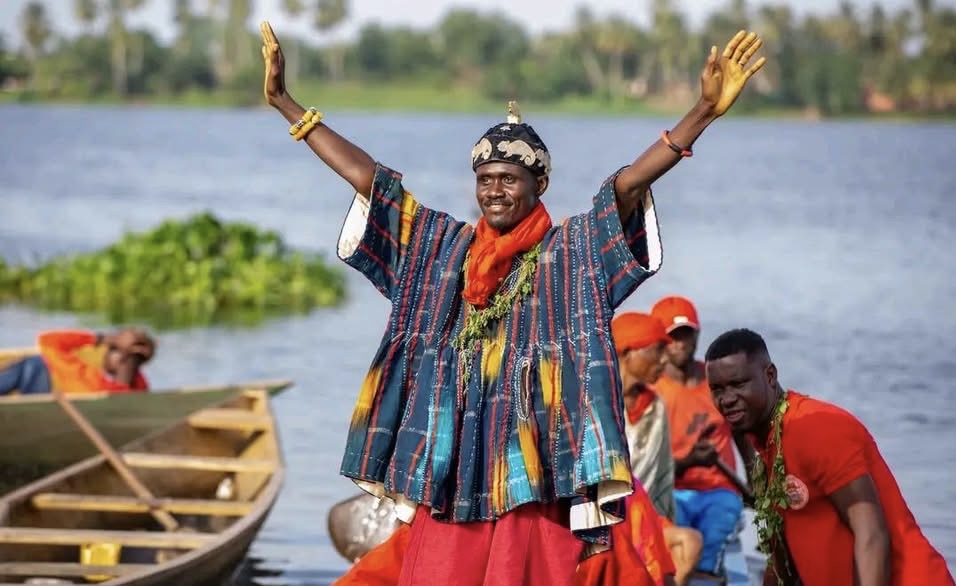
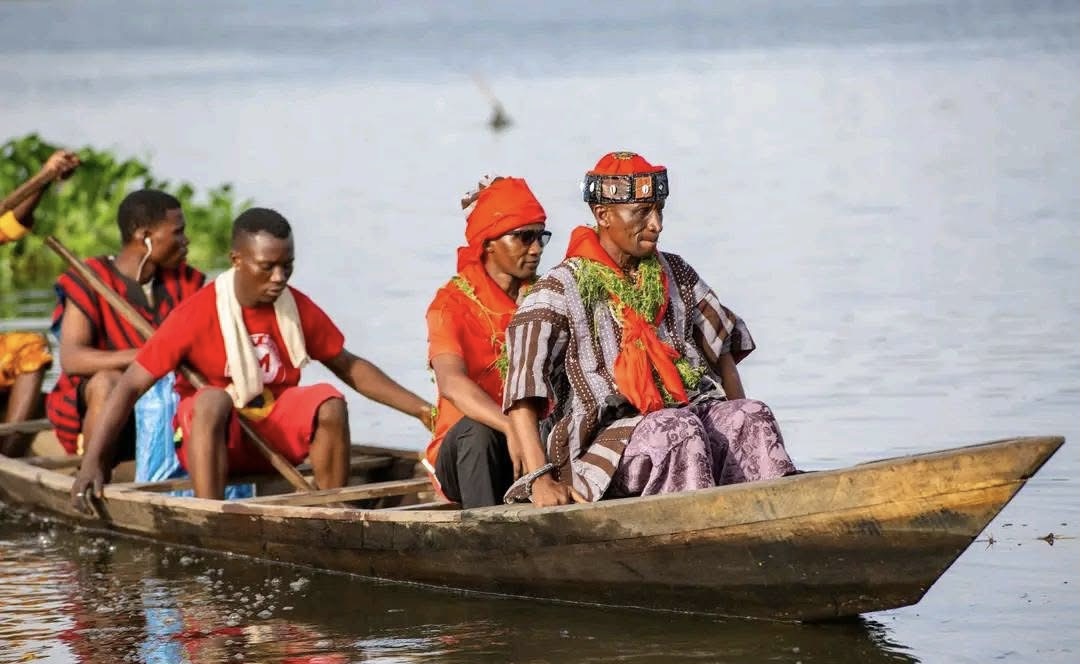
One of the most iconic moments of the festival is the symbolic crossing of the Volta River. Selected community members, often dressed in traditional attire, board canoes and paddle across the river to reenact the crossing made by their ancestors. It is a stirring sight, both dramatic and moving, that evokes the danger and triumph of the original migration. This act serves as a living memorial, a bridge between past and present that ensures the story is never forgotten.
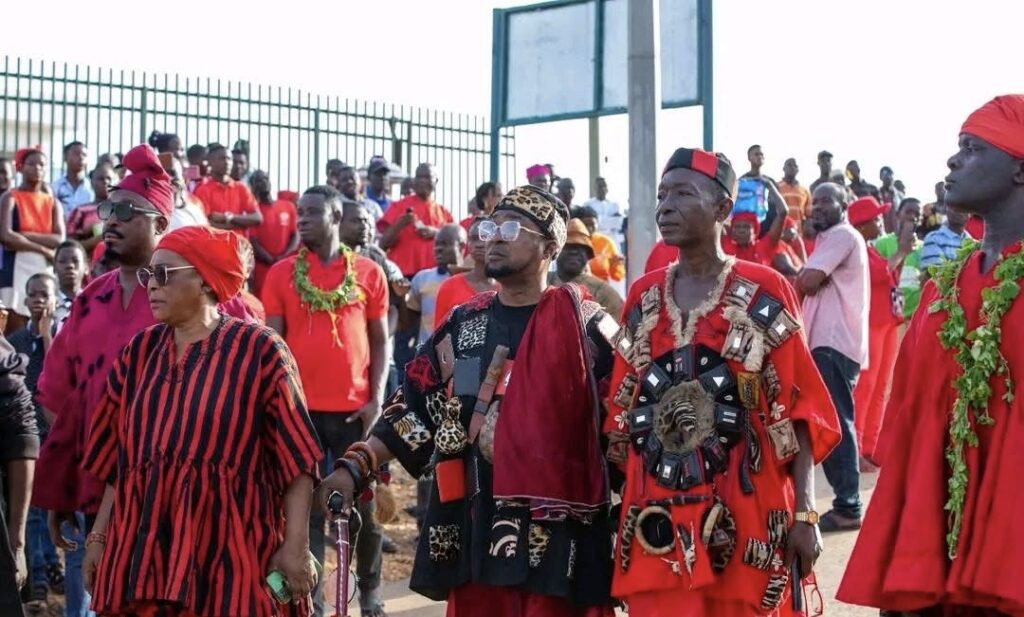
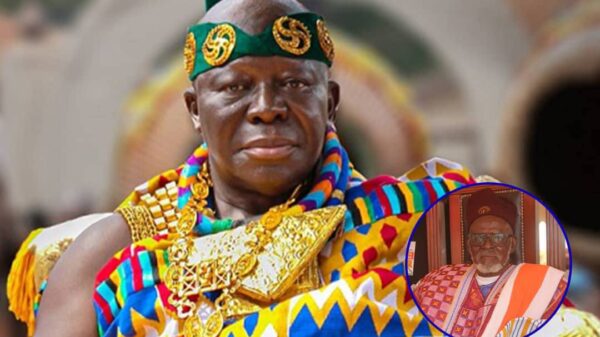
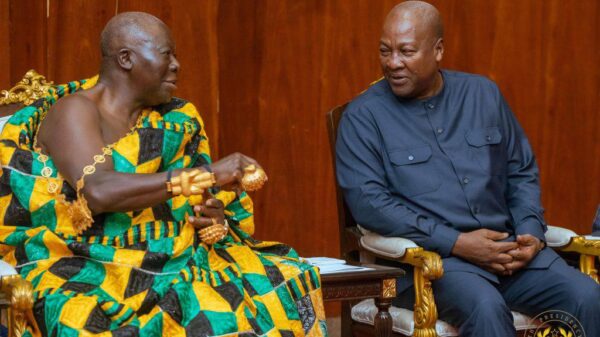
The festival also features the grand durbar of chiefs, a public display of traditional authority, culture, and leadership. Chiefs and elders, adorned in majestic kente cloth and traditional regalia, sit in state as they receive homage from the people. This moment is not only ceremonial but also reinforces the community’s connection to its roots and traditional governance systems. The presence of chiefs from neighboring towns and ethnic groups adds to the grandeur, highlighting the spirit of solidarity and cultural pride.
Cultural performances inject vibrancy and rhythm into the celebration. The sound of drumming fills the air as dancers take center stage to perform traditional Ewe dances such as Agbadza, Borborbor, and Gahu. These dances are rich in meaning, telling stories of love, war, victory, and communal life. For many, the cultural displays are not just entertainmentthey are living archives of Ewe history and expression, passed down through generations with energy and pride.
The Torstorgbe Zã Festival plays an important role in community development. It serves as a platform for launching new initiatives, discussing pressing local issues, and encouraging the involvement of the youth and diaspora in the growth of Sokpoe. Sons and daughters of the land return home from Accra, from abroad, or from neighboring towns to reunite with family, reconnect with their roots, and participate in rebuilding the community. The festival thus becomes a moment of not just celebration but also reflection and rededication to the future