















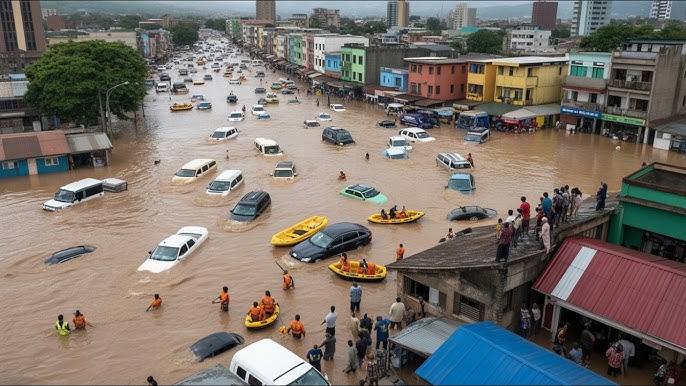
Once again, parts of Accra woke up underwater.
Homes were flooded, shops were submerged, and major roads turned into streams. Families spent the night lifting their belongings above rising floodwaters while others watched helplessly as water entered rooms they had worked for years to build.
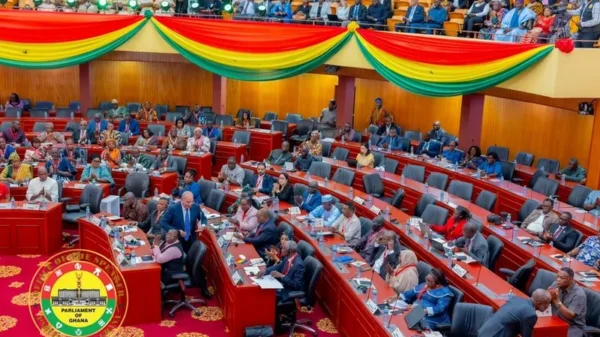
According to the Minister of Interior, who spoke on 30th June in parliament, the flood displaced 7,761 households, affected 38,802 people, with 12 dead. According to the minister, as at the time he was speaking to parliament, 7 are still missing and yet to be accounted for.
This rain not only floods Accra, but it exposed it
They exposed a capital city where flooding has become an annual ritual, and where little changes after every disaster. The rains come, drains overflow, communities are submerged, and officials tour affected areas with promises of action. Then the water recedes, attention fades, and the cycle returns with the next storm.
This is no longer just a rainfall problem. It is a governance problem.
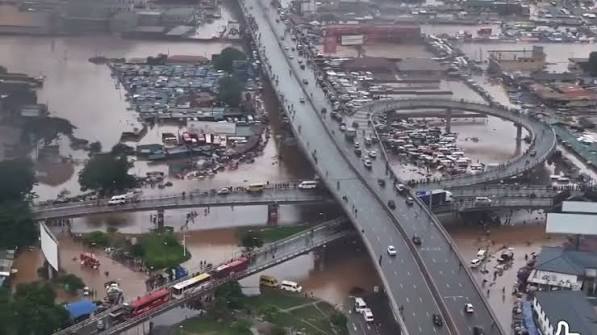
Yes, climate change is making storms heavier and more unpredictable. But Accra’s crisis goes beyond weather patterns. It is rooted in decades of poor planning, weak enforcement, and the reckless conversion of wetlands, waterways, and floodplains into residential and commercial property.
In many parts of the city, lands that should naturally hold and channel water have been sold and built upon. Drains are blocked, waterways narrowed, and the Ramsar site destroyed in the name of development. At the same time, refuse continues to choke drainage systems, worsening the impact of every downpour.
The result is predictable, flooding that destroys lives and livelihoods year after year.
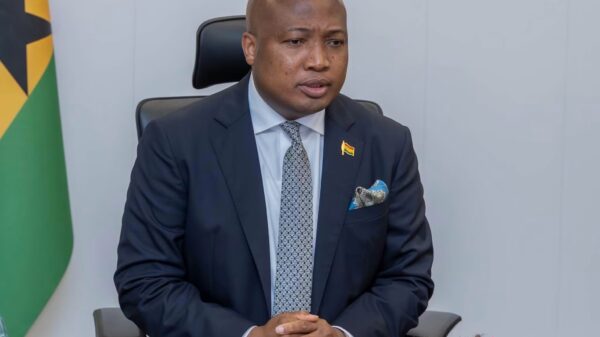
Following the latest floods, President John Dramani Mahama attributed the situation to climate change, engineering challenges, and irresponsible human behaviour, noting that the actions of a few continue to put entire communities at risk. But is that all? There are still unanswered questions, who is responsible for clamping down the irresponsible human behaviour? We understand the climate change issues, but who should be responsible for the engineering challenges? What can we do to stop these few who continue to put the entire community at risk? Whose job would this be?
The Ghana Meteorological Agency has also warned of further thunderstorms across southern Ghana, alongside a dangerous sea condition alert urging fishermen and coastal communities to stay ashore.
These warnings highlight a recurring truth; Ghana often reacts better to disasters than it prevents them.
For a short time after every flood, there is urgency. Officials inspect damage, relief efforts begin, and public discussion intensifies. But once the rain stops, enforcement weakens, illegal developments continue, and drainage systems remain neglected until the next disaster arrives.
At the centre of the problem is the bad governance on land management.
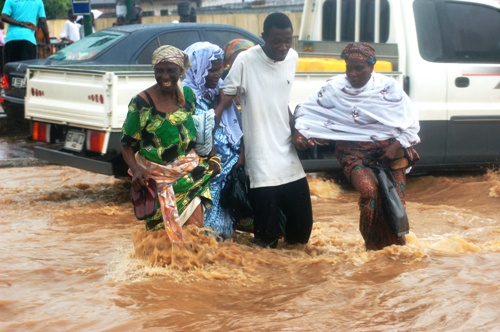
In Accra, land has become an asset pursued without sufficient regard for risk. Flood-prone areas are developed. Wetlands are filled. Buildings rise in waterways. And too often, approvals are issued where caution should prevail. Where enforcement is weak, construction proceeds regardless of long-term consequences.
This is how disasters are quietly built.
We must stop treating every structure as progress. Some developments are future emergencies waiting to happen. Some permits are risks transferred to future generations.
The President has called for the identification and removal of buildings obstructing waterways. But will it be followed through? Or is this another political PR gimmick?
Because in Ghana, enforcement is rarely just technical, it becomes political. Demolitions are resisted, decisions are questioned, and leadership often hesitates under pressure. Yet water does not negotiate. It simply follows its path.
At the heart of this crisis is not a lack of knowledge, but a lack of discipline.
Impunity has become the real flood.
And it is more destructive than rainfall.
Accra is not flooding only because it rains.
It is flooding because greed has overridden planning, enforcement has been weakened, and public interest has repeatedly been pushed aside for private gain.
Until that changes, every rainy season will bring the same scenes, the same losses, and the same unanswered questions.