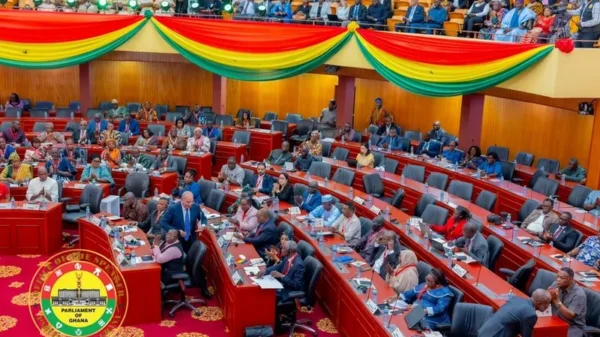

























Speaker of Parliament, Alban Bagbin, has expressed surprise over the sudden passage of the Human Sexual Rights and Family Values Bill, widely referred to as the anti-LGBTQ+ bill, saying he expected Parliament only to begin formal consideration rather than conclude the process during the sitting.
Speaking on developments after the May 29 proceedings, Bagbin explained that he had left clear instructions before leaving Parliament that the bill was to be taken through the consideration stage, not to final approval.
“I knew they were going to start the consideration of the bill,” he said, adding that the expectation was that the process would continue over multiple sittings due to the complexity and sensitivity of the legislation.
However, events took a different turn in his absence, with the bill being passed under the chairmanship of First Deputy Speaker Bernard Ahiafor. Bagbin admitted he was taken aback when he later learnt of the outcome.
“In fact, when it was passed on Friday, it was even a surprise to me,” he said, noting that he only became aware of the final decision after seeing reports and television coverage of proceedings.
He further described the bill as a highly sensitive piece of legislation that should ideally have been handled with broader consultation and consensus-building.
According to him, Ghana’s legal framework on human rights alongside international obligations such as the UN Charter and African human rights instruments requires careful consideration when dealing with such matters.
“We, as Ghanaians, also have to dig deeper into our cultures, our customs, our values,” he noted, stressing the need to balance legal, cultural, and international perspectives.
Bagbin revealed that following the passage, he has invited leadership from both sides of the House for an urgent meeting to deliberate on the way forward.
“I have asked the leaders to meet me in my office this evening so we can go through it,” he said, adding that the aim is to build consensus on how best to proceed with the bill’s implementation.
He emphasised that the focus should not only be on passage but also on practical implementation and national acceptance.
“This is such a critical bill that we believe there must be consensus. It’s not just about passing a bill, but about implementing it and making sure it benefits the people,” he said.
Bagbin expressed optimism that parliamentary leadership would reach a common understanding in the coming discussions, assuring that any outcome would be aimed at strengthening national cohesion rather than deepening division.
“We are very sure that being men and women of wisdom, we will find a way out to get all Ghanaians to buy into it,” he added.