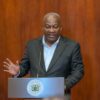


















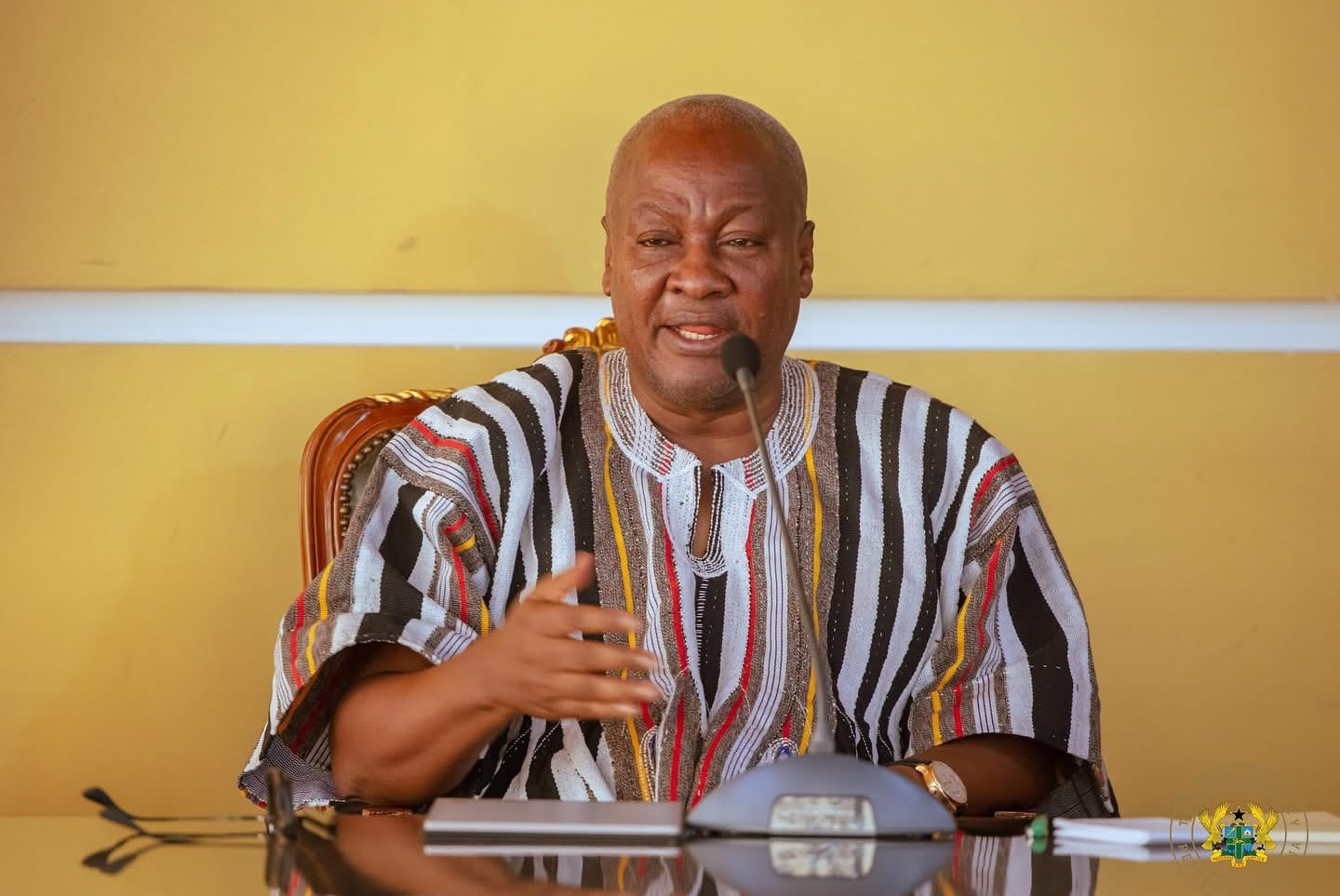
President John Dramani Mahama has clarified that the government’s newly launched Free Primary Healthcare Policy is designed to complement the National Health Insurance Scheme (NHIS), not replace it.
Speaking at the official launch in Accra on Wednesday, April 15, the President explained that the policy focuses on providing free primary healthcare services at the community level, ensuring that basic medical needs are addressed without cost.
According to him, services such as screening, diagnosis, and treatment for common illnesses will be fully covered under the programme at CHPS compounds, health centres, and polyclinics.
“The free primary healthcare complements the national health insurance. At that level, it’s free of charge. You go to the screening, everything is free of charge,” he stated.
President Mahama noted that common conditions such as malaria, cholera, and minor respiratory illnesses will be treated at community health facilities, where essential medications will be readily available.
“If it’s a basic illness like malaria, your CHPS compound will have the medication. If it’s a respiratory illness that requires a cough mixture, you get it at your CHPS compound,” he explained.
However, he emphasised that more complex or persistent conditions will require referrals to higher-level facilities, where the NHIS will then come into effect.
“If it persists, then they will have to refer you to the district level. And at the district level, you use your national health insurance card to get the treatments and the drugs that you require,” he added.
The President further stressed that the introduction of free primary healthcare does not eliminate the need for citizens to register with the NHIS.
“It doesn’t mean that because free primary healthcare has come, you shouldn’t get the national health insurance card. You should still have a national health insurance card,” he cautioned.
He also clarified that individuals seeking care at the primary level will not be required to present an NHIS card, but must show proof of identity, such as the Ghana Card, to confirm their residency within the community.