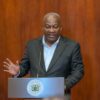


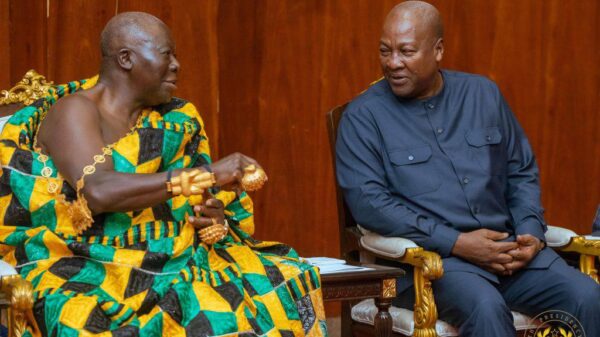








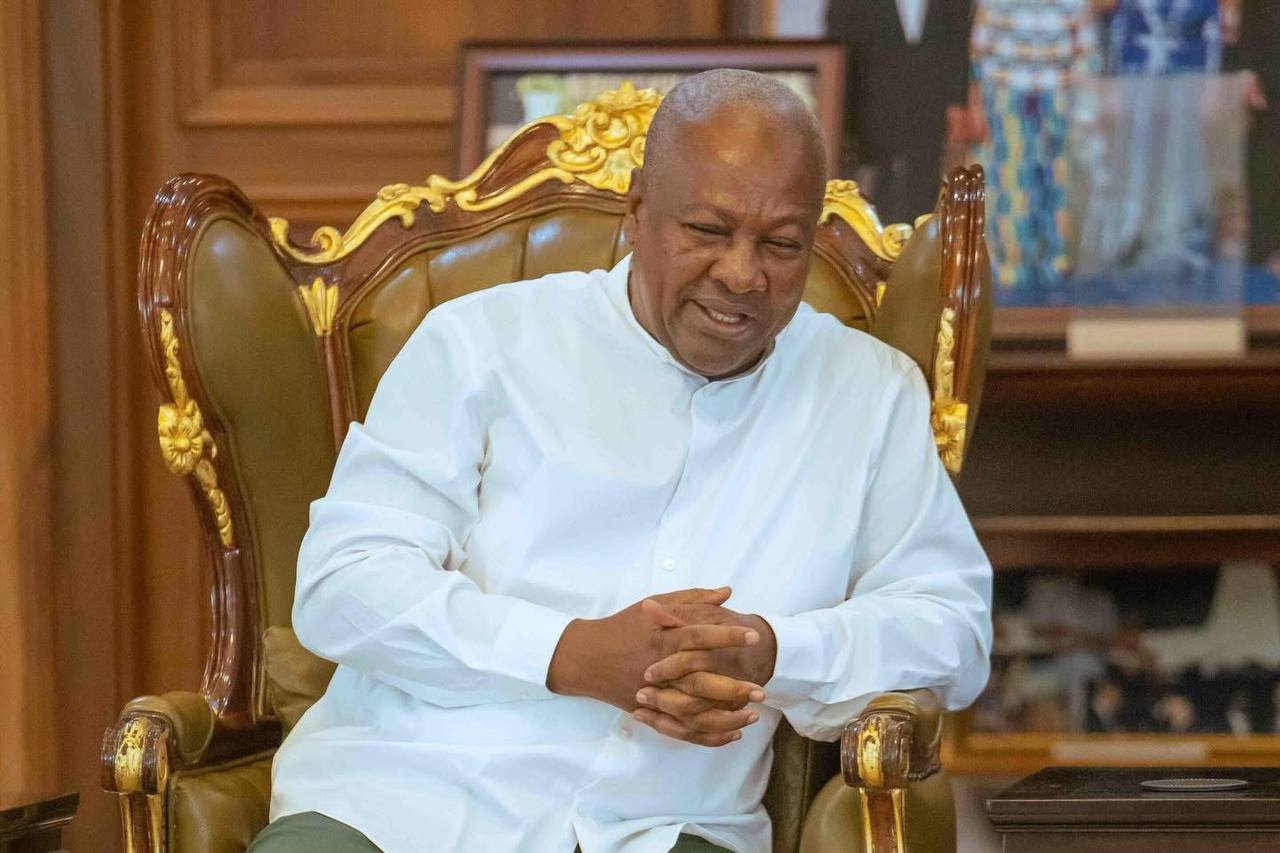
President John Dramani Mahama is set to take the Accra Reset initiative to the global stage, leading its first Davos convening on January 22, 2026, on the margins of the World Economic Forum (WEF) Annual Meeting in Switzerland. The high-level side event marks a major step in advancing the Global South–led agenda to reshape international cooperation and strengthen sovereign capacity.
President Mahama chairs the Presidential Council of the Accra Reset, which brings together serving and former world leaders committed to reimagining global governance at a time of mounting economic, geopolitical, and social pressures. The initiative, introduced at the 2025 United Nations General Assembly and later endorsed at the G20 Leaders’ Summit in Johannesburg, is expected to move from vision to action with the launch of priority programmes at the Davos meeting.
The convening will attract a strong presence from Africa and the Global South. Participating leaders include President Abdel Fattah El-Sisi of Egypt, President William Samoei Ruto of Kenya, President Félix Tshisekedi of the Democratic Republic of Congo, with Nigeria represented by Vice President Kashim Shettima and Papua New Guinea by Prime Minister James Marape. Their participation underscores the growing momentum behind the Accra Reset as a platform for collective leadership from the Global South.
Adding historical weight to the discussions, the Guardians Circle of the Accra Reset, made up of former Heads of State and Government, will also take part. Among them are former Nigerian President Olusegun Obasanjo, former New Zealand Prime Minister Rt Hon. Helen Clark, former Mauritian President Ameenah Gurib-Fakim, and former Liberian President Ellen Johnson-Sirleaf.
The Accra Reset is being positioned as a timely response to what organisers describe as “intensifying great-power rivalries, the collapse of the global aid narrative, unprecedented trade tensions,” as well as overlapping crises driven by climate shocks, pandemics, conflicts, and the rising cost of living. Against this backdrop, the initiative seeks to elevate the voices and priorities of developing countries in shaping a fairer global system.
For President Mahama, the Accra Reset is closely linked to his domestic policy vision. He sees it as complementary to his “Resetting Ghana Agenda,” arguing that national progress cannot be achieved in isolation. As he has consistently emphasised, “sovereignty means the capacity to execute national visions while building strategic partnerships,” particularly within Africa and across the Global South.